
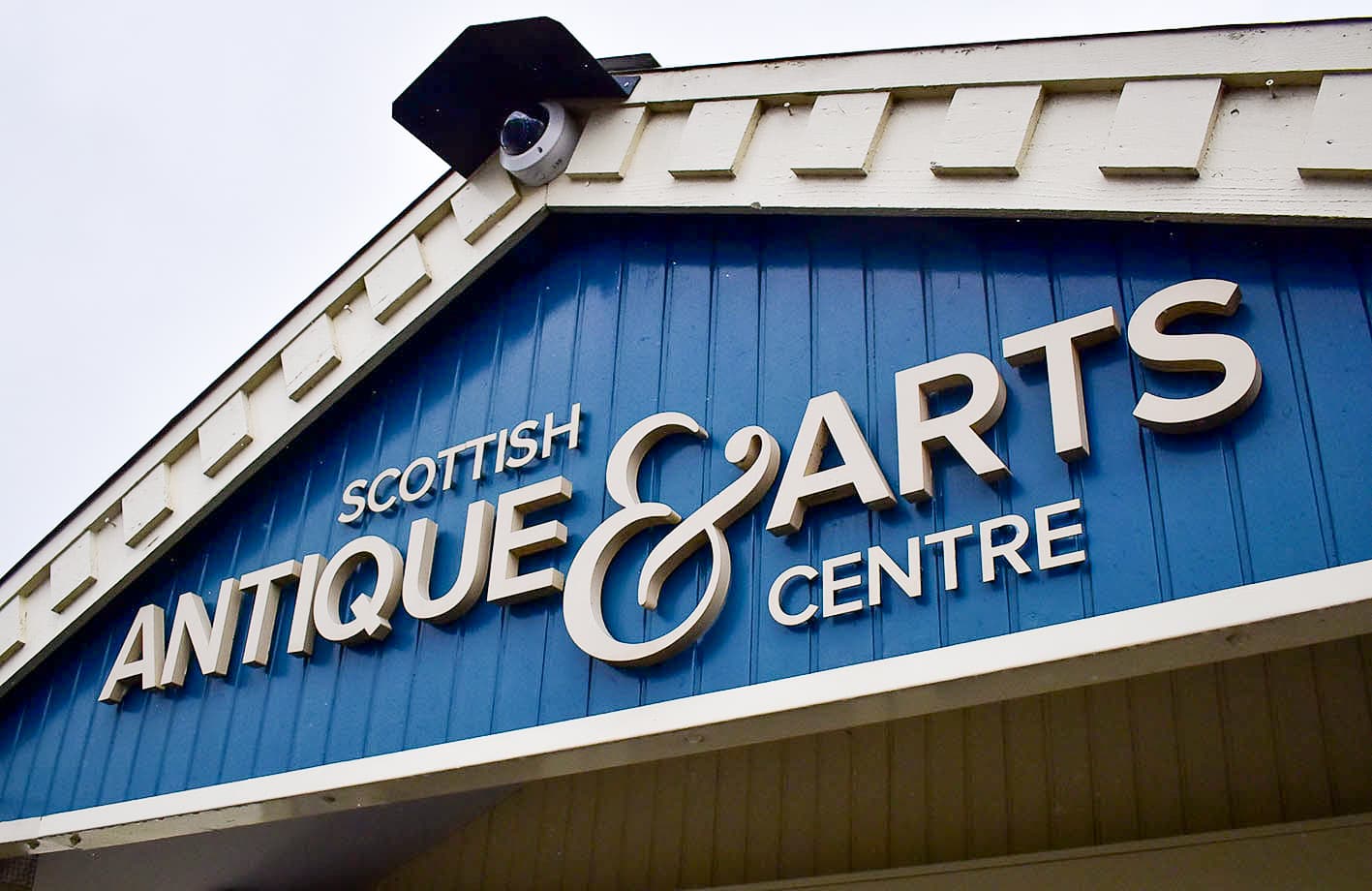
Sourced from sign trade manufacturers, I supply and install 3D letters in Dundee and the surrounding region.
Outsourcing provides my clients with access to the widest range of bespoke dimensional signs in the UK. I source shaped signs fabricated by manufacturers who specialise in making built-up and flat-cut letters. Doing so enables me to manage your project for the most efficient result.
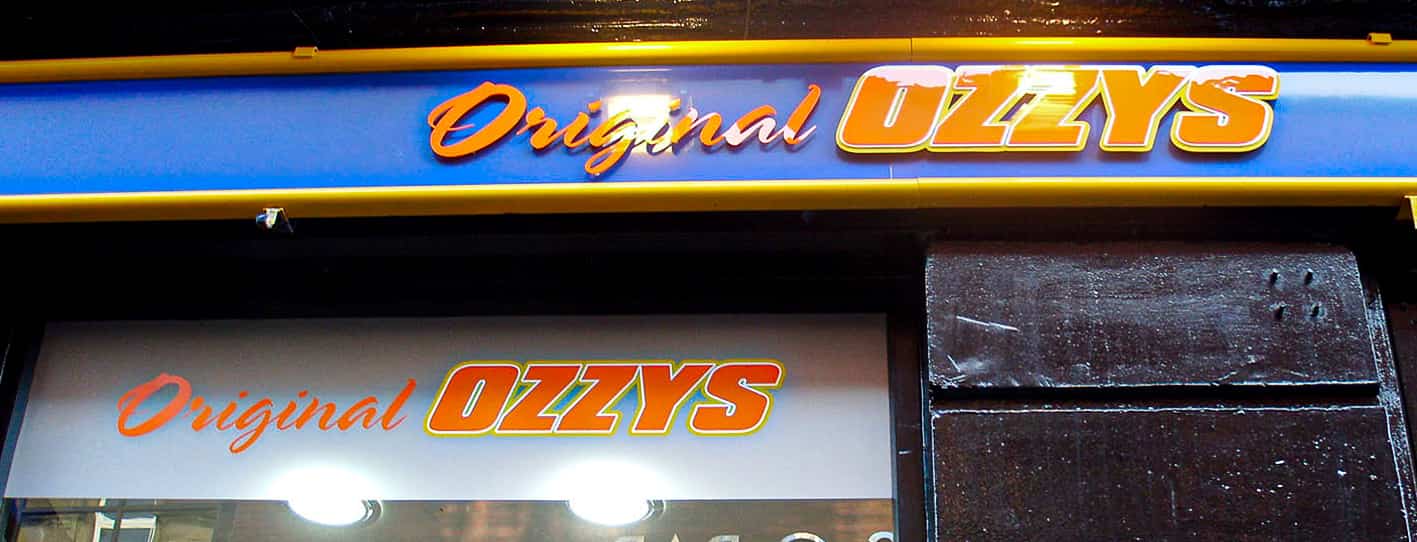
There’s lots of materials to choose from. Metals, plastics, woods, and composites, in varying thicknesses, colours, and finishes.
Begin by choosing the mood you want your sign to convey. 100mm thick, back illuminated, stainless steel letters will express differently than 5mm thick, glued-on plastic letters.
Establish your budget too. Often, larger and/or thicker letters will cost more than flatter letters. Illumination and other add-ons such as specific colours will increase costs.
Location, positioning, and viewing angle are also important. Protruding letters perform best when they’re visible from all angles. Otherwise, save your money and opt for flat panels.
Planning consent may also be required for raised letters and 3D signs. Depending on your sign’s location and any previous signage on or near the premises, your local authority may want to know. Check with your landlord or council planning department if you’re unsure about permission for exterior signs.
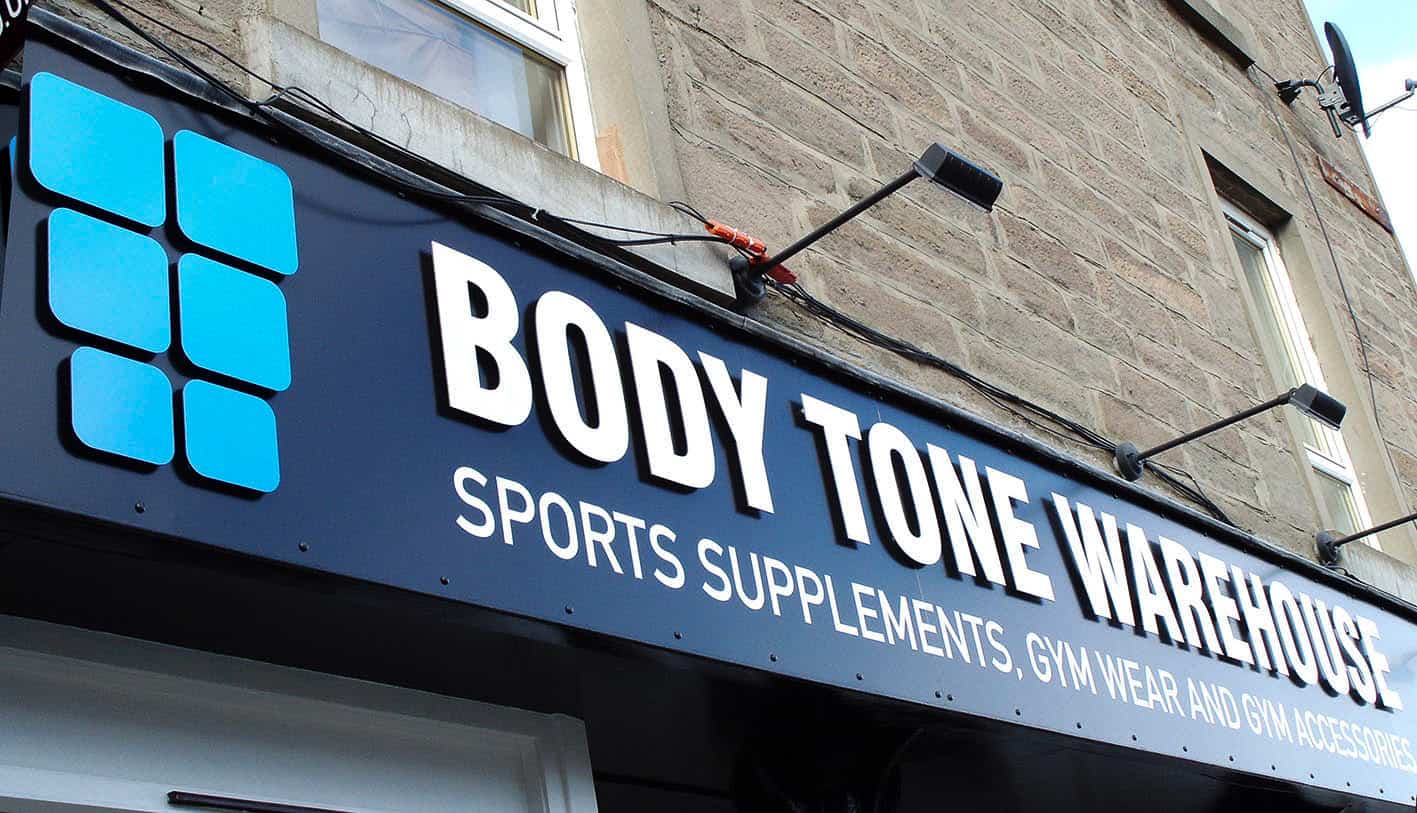
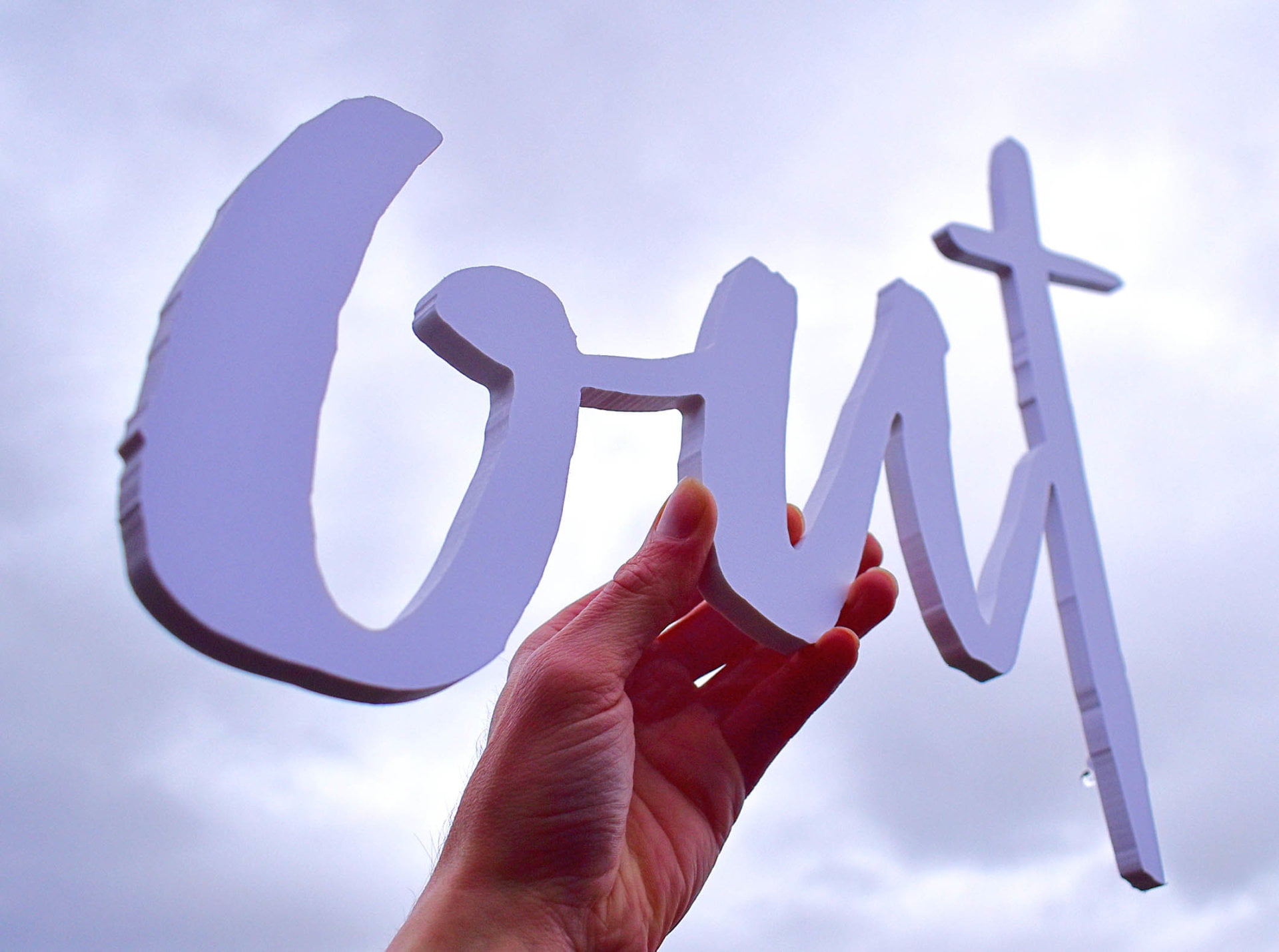
Flat cut letters are individually cut out from sheets of rigid substrates, commonly shaped on CNC routers, as well as laser and water jet cutters.
They can also be layered. Separate layers glued together make thicker letters or outlines and paneled backgrounds.
Flat-cut letters and shapes can be installed directly onto non porous surfaces with adhesive tapes or glue.
They can also protrude from the surface with studs, rods, or packers attached to the backs. The fixings on the backs protrude the flat cuts off of the background to make them appear as if hovering in front of the surface. This creates a neat drop shadow.
Maintenance is necessary for permanent exterior wooden signs and should be factored into your choice of sign material.
Mirror finish flat-cut letters can be made using rigid substrates, covered with mirror finish vinyl. Chrome, mirror gold, mirror rose gold, and a modest selection of brushed and glitter effect vinyls are available. Some mirror finish vinyl has a limited lifespan, especially in exterior conditions. Seek advice from your signmaker before deciding which mirror finish to choose.
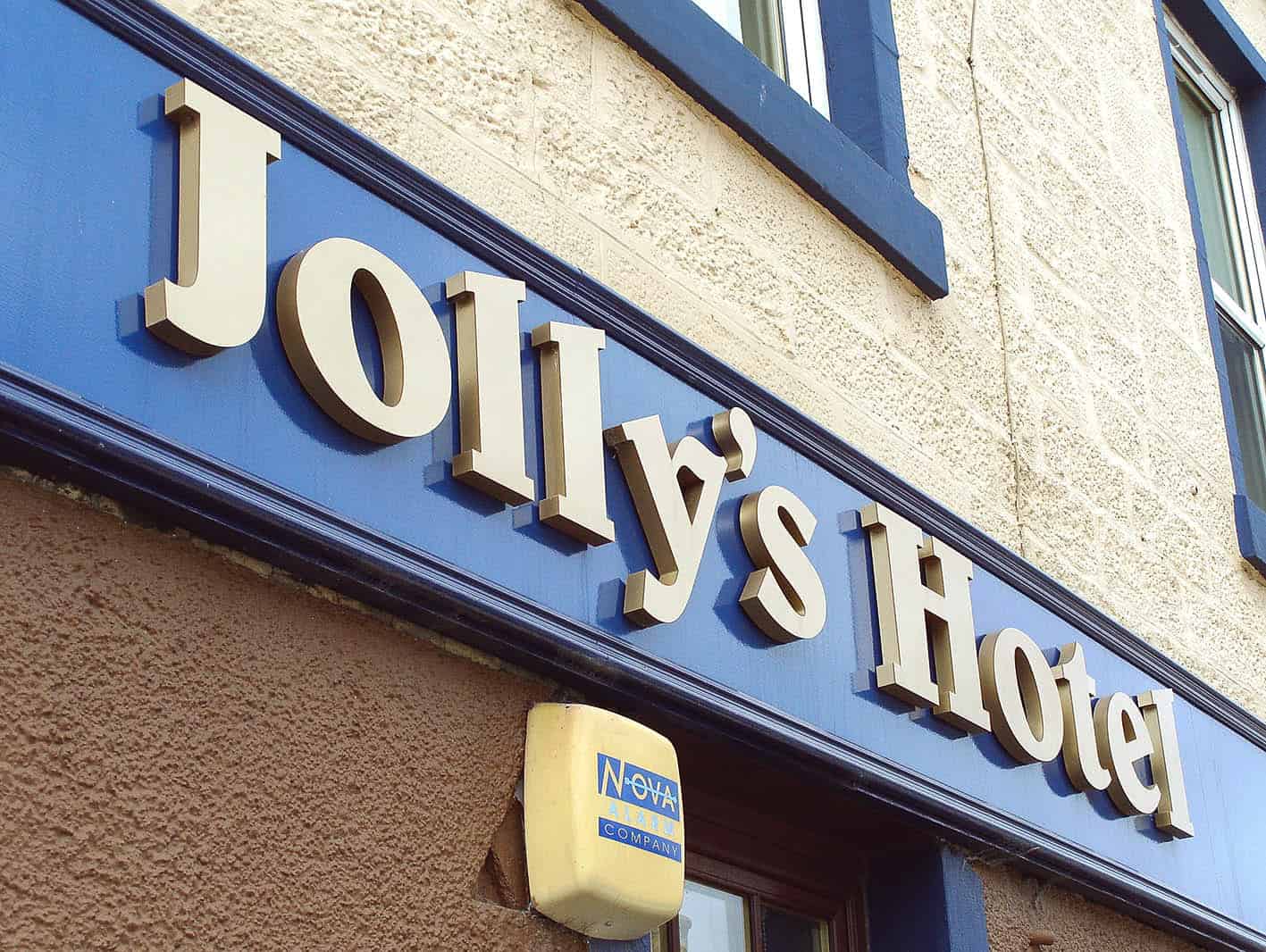
Built-up letters and shapes start as flat-cuts. The flat-cuts are the faces of the built-ups. The edges (known as returns) are added to the back of the flat-cuts by either welding or bonding strips of a substrate to the faces. The returns add depth and the dimensional effect.
In some circumstances, different materials have to be used to create the return. This depends on the substrate chosen to make the built-ups.
As such, not all of the above listed substrates can be made into built-ups.
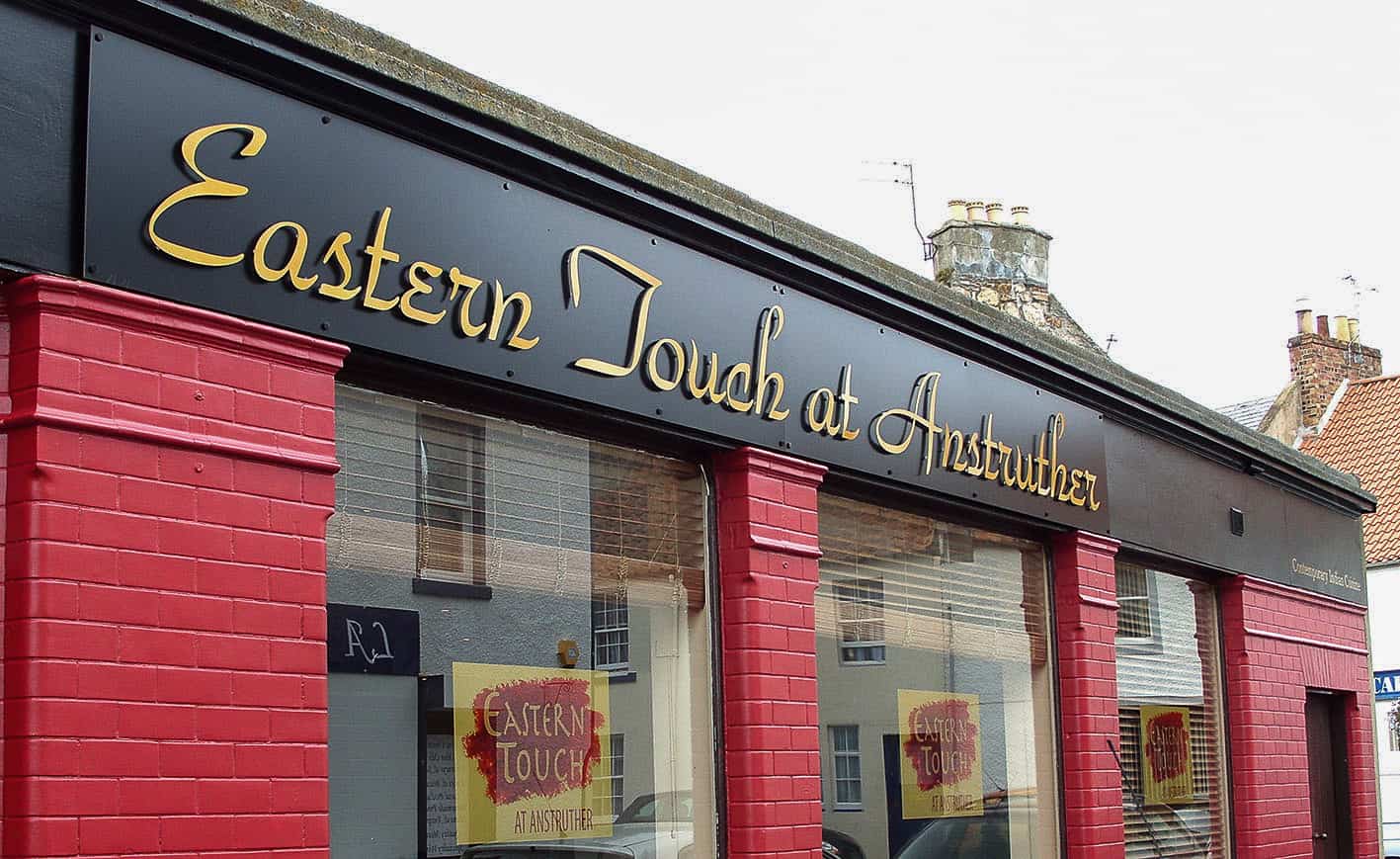
There are also size and line width limitations when creating built-up letters and shapes.
Attaching returns to small or intricate letters may not be practical. Small and intricate shapes and letters can be made to look like built-ups by layering flat-cuts. This option often costs less than adding returns to the flat-cuts’ faces.
Plugs or threaded studs are attached to the backs of the built-ups. These pair with cylindrical fixings which are attached to the sign panel or sign surface. With no visible fixings, built-up letters appear as solid structures.
There’s lots of finishes and special effects which can be added to built-up lettering, including illumination.
Moulded letters are single pieces of shaped acrylic. Flexible acrylic sheets are pressed between moulds to create the protruding letter.
Bevelled and prismatic moulds make the letter appear carved or chiselled. Additionally, the letters create their own shadows which can be emphasised with metal leaf or specialist paints. These finishes can mimic the appearance of solid gold or stone. Specialist paint finishes such as textured effects can also be applied.
However, due to manufacturing processes, there are limitations with moulded letters. The main drawback is a narrow selection of moulds. This limits the choice of typefaces available.
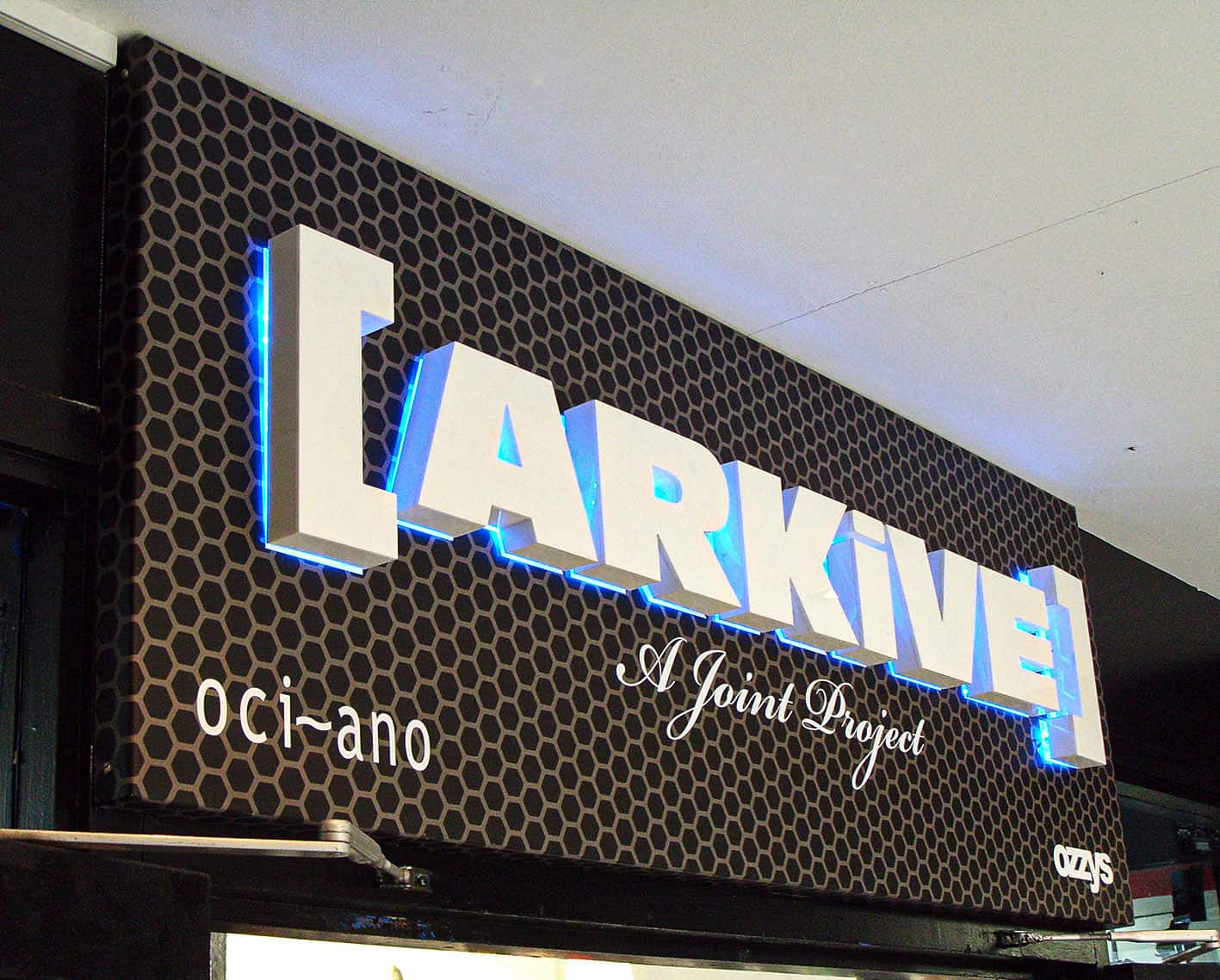
Adding illumination to letters increases the visibility of the sign in dimly lit areas and when it’s dark.
Choosing which type of illumination for your sign is influenced by the type of 3D letter.
Face lit letters are acrylic. Flat-cut acrylic letters are made to fit into sign trays. Either flush with the face of the tray, sunk in or protruding.
Built-ups with illuminated faces are commonly made with metal returns. LEDs are sunk into the sign tray or inside the built-ups.
Halo lit letters provide a ray of light around the backs of the letters. The faces of the letters are opaque and don’t allow light through. This creates a soft glow effect with the LEDs pointing at the surface to which the letters are fixed.
Combining both face lit and halo lit is also an option.
LEDs can be almost any colour or mixed. The illumination can complement the colour of the letters, signs, and your business’ identity.
LEDs are suitable for exterior environments and are also energy efficient. They last much longer than conventional tube lighting too. Controllers can be included to adjust the type of lighting you prefer, whether constant, flashing, or multi-coloured.
To conclude, dimensional letters and shapes have more presence than flat signage. They level up your signs and add interest to your business’s visual identity.
Make your signs work for you. Visit here to learn more.
Need advice or a quote for your 3D letters in Dundee? Get in touch to find out more.